
Is it really Billease?
Scammers copy our name, our texts and even a friendly voice on the phone. Here is how to tell, from the scams our customers actually meet.
Billease really does call, text and visit about your payments. The red flag is never the call. It is what they ask for.
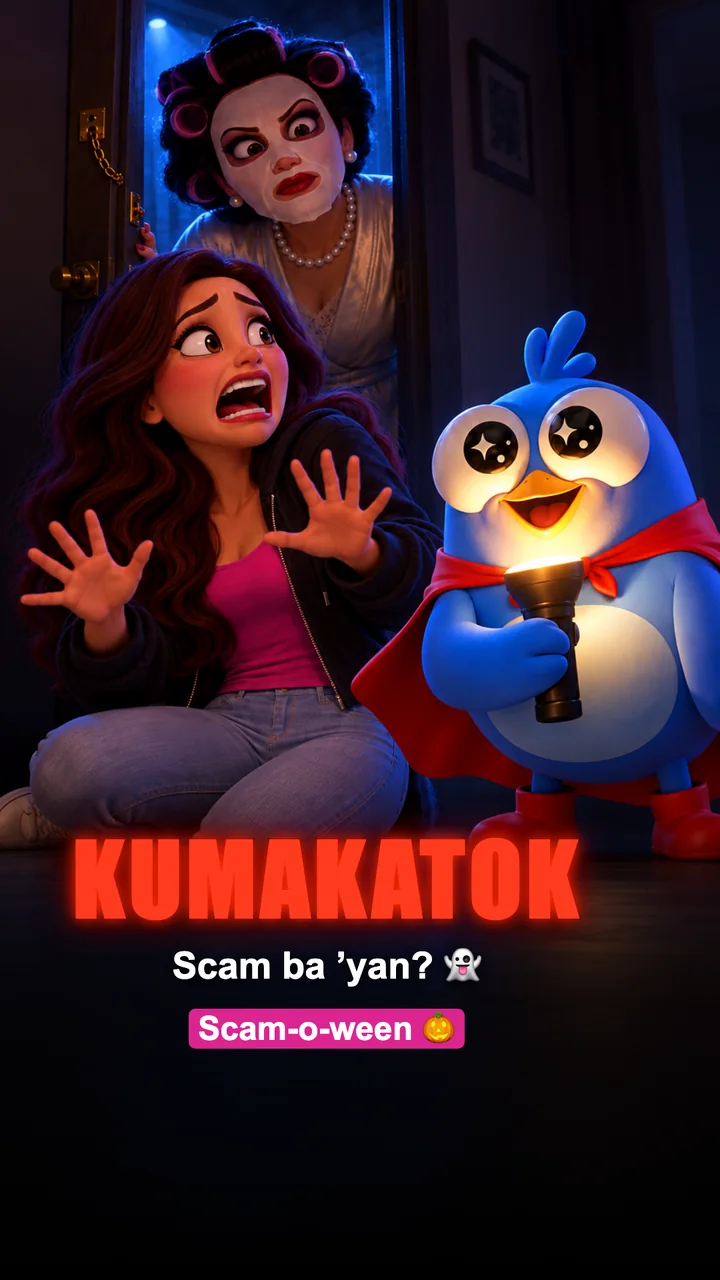
Our Halloween special, 2 minutes: 3:07 AM, a login to Mom’s account, a “BILLEASE” text, a caller who needs one code. Princess spots every red flag.
Eight things to remember
Your OTP, PIN and password stay with you
We never ask for them: not by phone, text, chat, e-mail or in person. Whoever asks is a scammer.
A “BILLEASE” sender proves nothing
Scammers can make a text look like it is from us, and Billease never sends links by text. Do not tap links in texts; open the Billease app and check there.
Pay only with Pay Now in the app
Never send a payment to a personal e-wallet or bank account, whoever asks and however urgent it sounds.
No face scan on someone else’s phone
A selfie or face verification on another person’s device can hand them your account.
No real job asks you to borrow
“Like videos, earn money” groups pay you a little first, then ask you to take a loan for a bigger task. The loan stays yours.
Limit-to-cash is not allowed
Sellers who turn your limit into cash take a cut and leave you owing the full amount.
Use a password manager
Let an app like Bitwarden make a random password of at least 12 characters for every important app, and never reuse one. A password used twice leaks with the weakest site.
Our in-app alerts are real
A new-device alert in the Billease app is genuine. If it was not you, tap it and secure your account.
In doubt? Ask us directly.
Never through a number, link or chat someone sent you. The chat in the Billease app and on this website is ours, and so is this address.